
Which Primer We Use, and Why
The Most Adhesive Primer on Earth!
BIN primer sticks to all surfaces. Widely used by contractors on cabinets and old wood millwork. Roll it on and sand it smooth.
Buy a gallon here or contact us for professional application.

Best Exterior Wood Primer
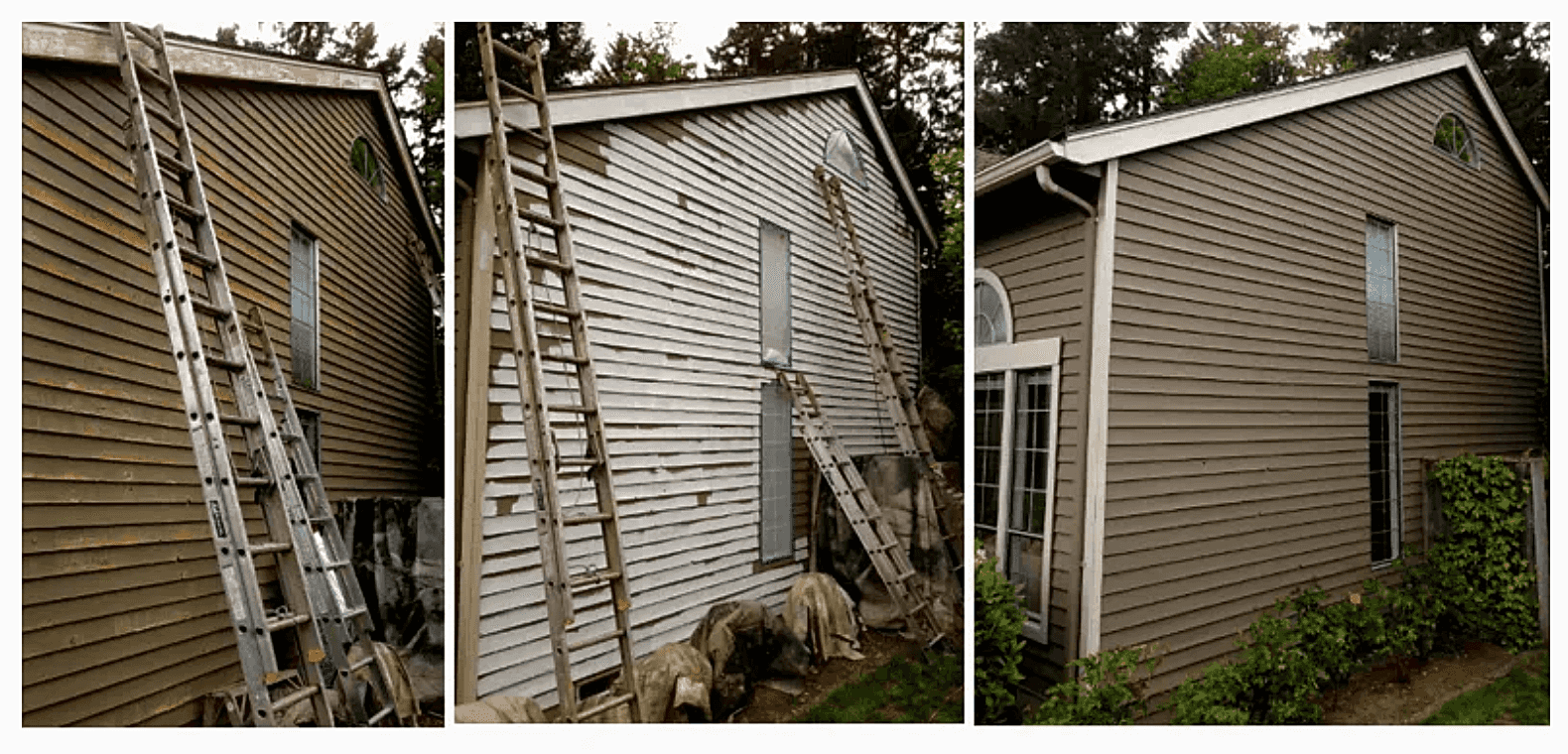
For bare or weathered exterior wood, our pick is the Sherwin-Williams slow-dry oil-based wood primer. It soaks into the wood and holds on through our wet winters better than fast-dry primers. On cedar it also helps stop the brown tannin stains that bleed through paint.Sherwin Williams® slow-dry oil-based primer. The slow-dry action increases adhesion through extended bonding time, essential for the fluctuating moisture levels in Woodinville and Sammamish.


Best Interior Primer: Millwork
Millwork that is stained or varnished requires specialized oil-based bonding. Our #1 choice is Cover Stain Classic Oil 100. It adheres extremely well to sanded doors, baseboards, and cabinets.


Sealing New Texture or Sheetrock
For new drywall and texture we skip the cheap PVA sealers and use Zinsser SmartPrime.Zinsser® SmartPrime®. It provides a superior foundation for modern interior paint trends.

Painting Over High-Sheen Finishes
If your walls are semi-gloss or high-gloss, prime first or the new paint can peel. We use KILZ Premium 3 there.

Quick guide: which primer for what
| Surface | What we use |
|---|---|
| Bare or weathered exterior wood, cedar siding | Sherwin-Williams slow-dry oil-based wood primer |
| Cabinets, old varnished millwork, stains and knots | Zinsser BIN shellac primer |
| Stained or varnished doors, baseboards and trim | Zinsser Cover Stain (oil) |
| New drywall and texture | Zinsser SmartPrime |
| Semi-gloss or high-gloss walls | KILZ Premium 3 |
Do you always need primer?
No. Over sound paint in good shape, two coats of good paint is enough. Primer goes on bare wood, repairs, stains and glossy surfaces. See when you do and don’t need primer and spot prime vs. full prime.
Primer only works on dry wood
Primer is only as good as the surface under it. We check siding with a moisture meter and wait until it reads below 15% before we prime. See the 15% moisture rule and how we fix peeling on the south side.
More on our favorite primer: BIN shellac primer.